In today’s society, we increasingly value the diversity and uniqueness of every child. That is why, when we talk about the rehabilitation of children with disabilities, we must not forget about inclusion.
What is rehabilitation?
The first step is to understand the concept of rehabilitation itself. It is a comprehensive process that aims to restore full functionality to a person with a disability. It encompasses educational, therapeutic, and developmental aspects, focused on achieving planned goals. A key element of this process is the integration of comprehensive theoretical knowledge with activities directly tailored to the person with a disability.
Social Skills in the Rehabilitation Process
However, the social aspects of rehabilitation cannot be overlooked. Social skills play an extremely important role in shaping the future life of a person with a disability. They encompass a broad spectrum of competencies, such as physical and intellectual abilities, verbal communication skills, and the ability to work in a group and solve problems.
Inclusion in the rehabilitation of children
Introducing integration into the rehabilitation process is crucial for the full development of a child with a disability. Integration does not merely mean the physical presence of different children in one place, but also creating conditions for learning and playing together. That is why it is so important for children with different abilities to have the opportunity to interact and collaborate, and thereby to support and understand one another.
The Role of Inclusive Playgrounds
One of the innovative solutions that support the integration process are special playgrounds. These spaces are designed to allow children with different abilities to play and learn together. Many of these playgrounds are built at schools and preschools, which further facilitates integration within the educational environment.
Effective integration in practice
When planning and creating inclusive playgrounds, it is essential to prioritize the criterion of effectiveness in truly integrating children’s communities. These spaces should be adapted to the needs and abilities of different children, encouraging shared activities and creative play.
Play as a space for integration
In practice, social interactions among children often occur during play. This is why playgrounds play such an important role in the integration process. Traditional playgrounds typically place children in situations of individual play, whereas inclusive playgrounds facilitate shared activities, which foster relationship-building and the development of social skills.
Mammutico® blocks in inclusive spaces
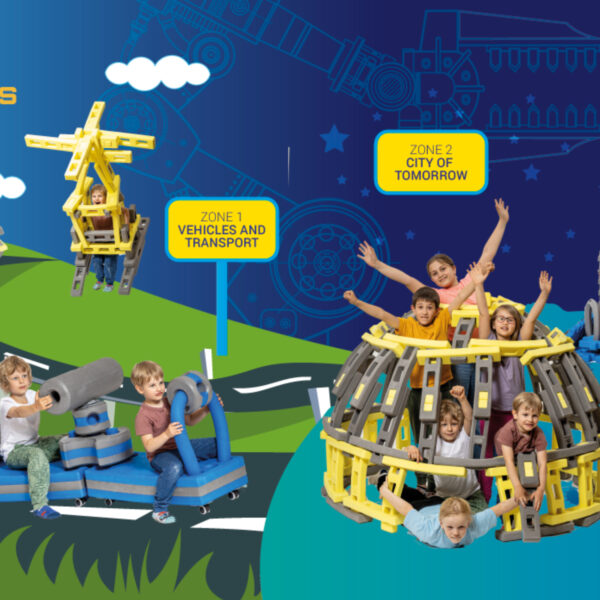
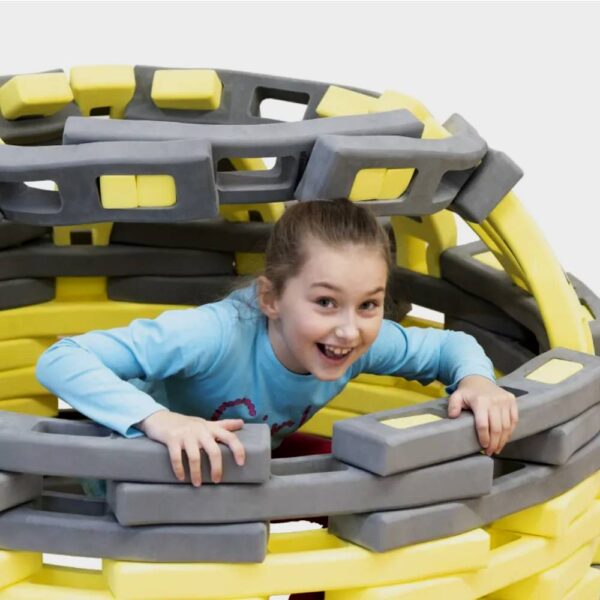
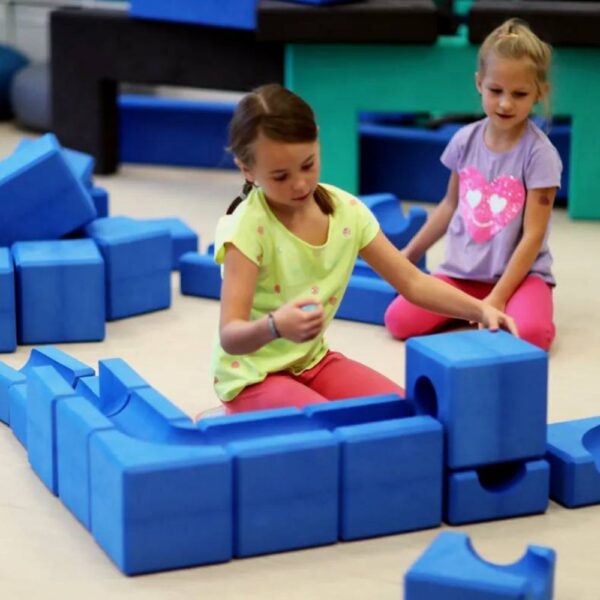
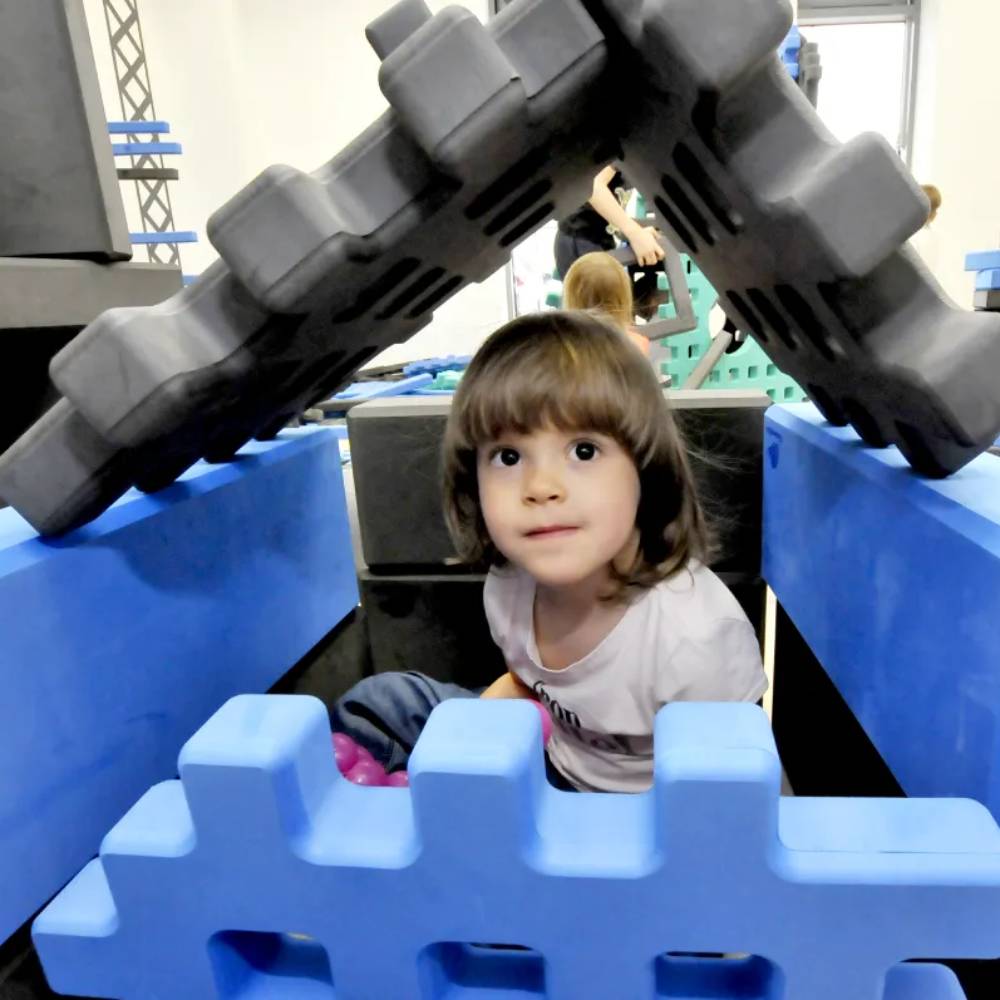
At Mammutico®, we recognize the vital role that well-chosen tools play in supporting inclusion in playgrounds, preschools, and schools. Our blocks offer many advantages, such as light weight, high durability, safety and hygiene, and a wide range of applications. Creating inclusive play spaces and using tools such as foam blocks is an important step toward ensuring that all children have an equal opportunity for development and a happy childhood.